Opens in a new tab
  • About Us
  • News & Media
  • Sales Network
  • Living with the Trees
    MILOS / PROJECTS

    Living with the Trees

    Interior styling · Contemporary Chinese
    EXPLORE THE STORY ↓
    01 / A WAY OF LIVING

    A quieter space. A more considered life.

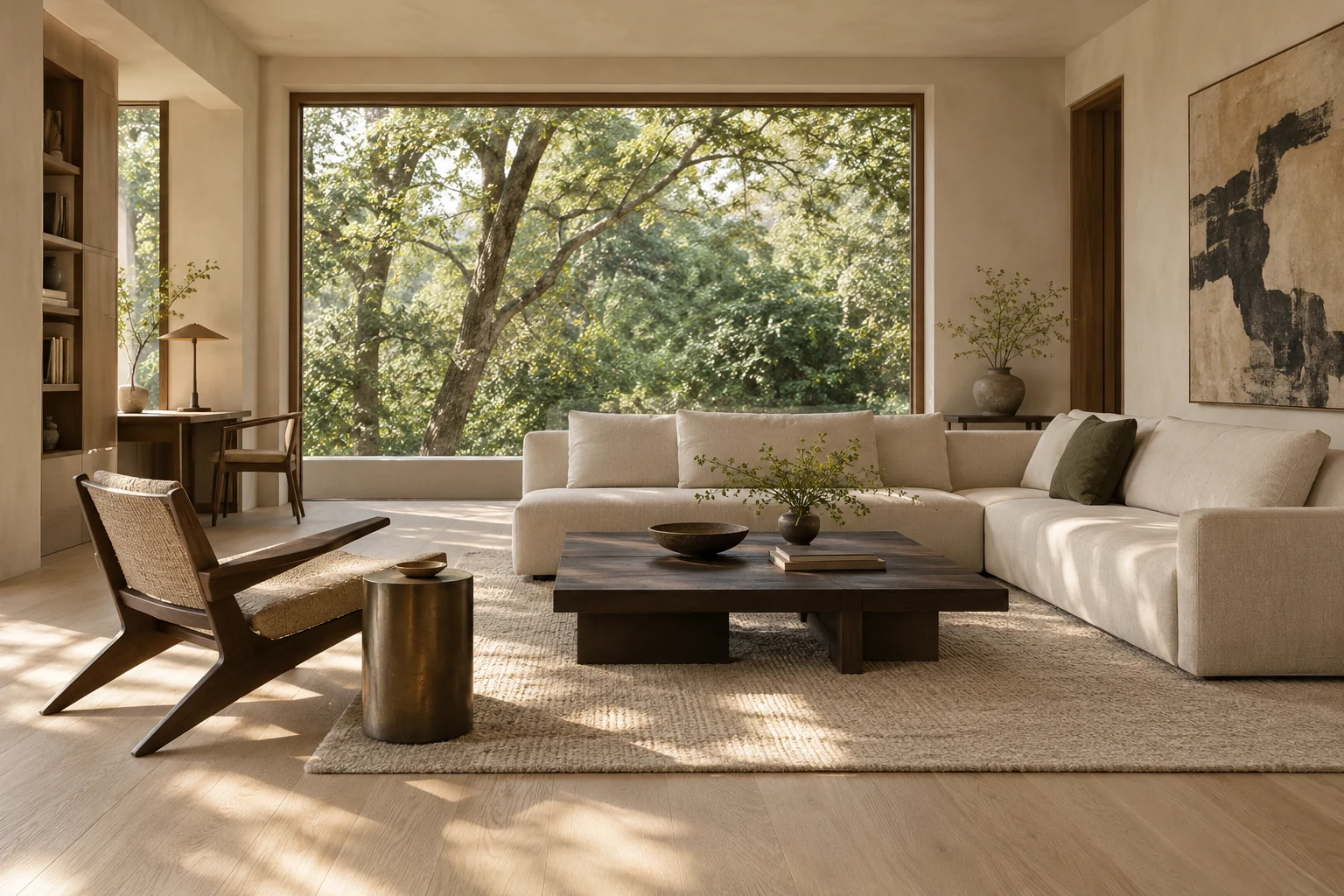
    Inspired by the view of trees, pale walls, dark timber and natural textiles connect the living room, passage and study. Furniture, light and objects are given room to breathe in a calm, layered home.

    Focus
    Interior styling
    Style
    Contemporary Chinese
    Space
    Living / Entry / Study / Stairs
    Window-side seating and a leafy garden view
    Window-side seating and a leafy garden view

    Keep the view at the centre

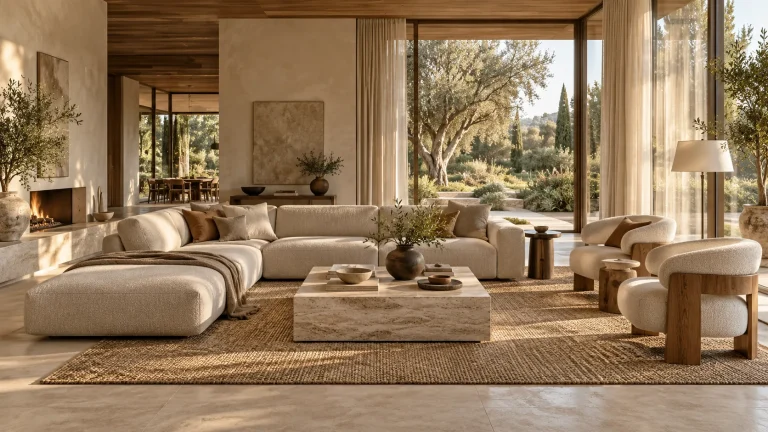
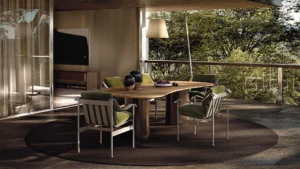
    Where a room has a strong garden view, furniture can provide a quiet setting for it. Control the height of window-side seating so the view remains open when sitting or standing. A rug can define the seating area while changing tree shadows provide movement.

    Check the view from the main seats before placing tall cupboards or large objects, and consider glare, sunshine and shading alongside the composition.
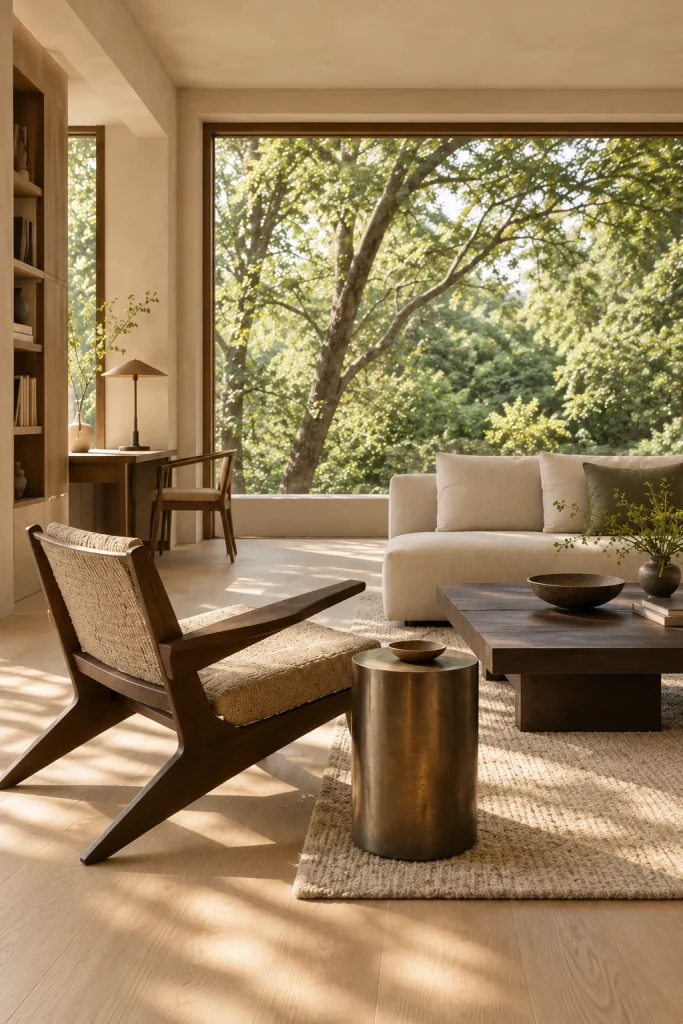
    Connect each seat to the view

    Look out from the sofa and the armchair before fixing their positions. The most comfortable seat need not face the window squarely: a slight angle can preserve a view of the trees while keeping conversation easy. A low table leaves sightlines open, while a side table gives books and cups a practical home.

    Choose window treatments for both the view and sun control. Sheers filter brightness; heavier curtains need room to stack away. Consider whether a tall cabinet, plant or floor lamp would obstruct the opening window or the route beside it.

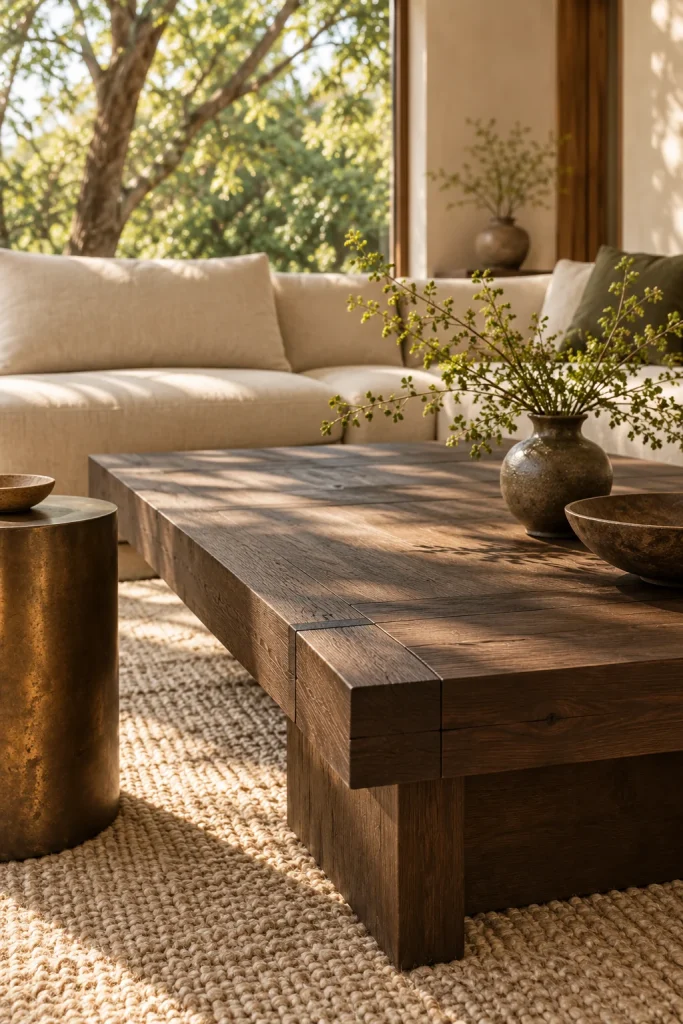
    Dark timber, ceramics and pale upholstery
    Dark timber, ceramics and pale upholstery

    Give timber and art room to breathe

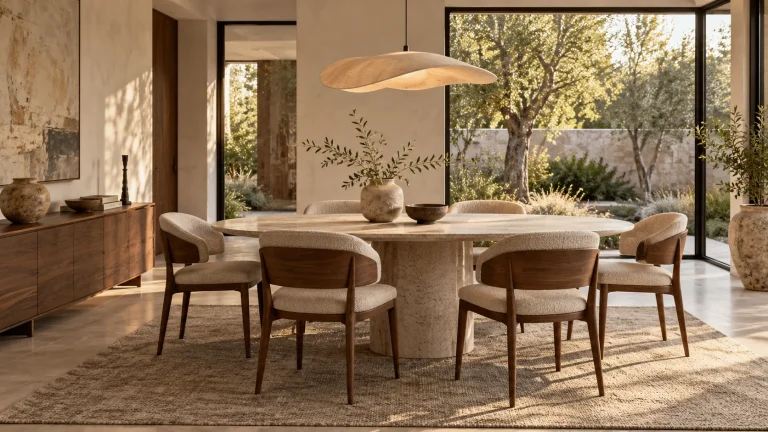
    Timber creates a tactile foundation, while artwork and smaller objects introduce personal meaning. Their shapes do not need to match. Defined timber frames, softer seating and light side tables can relate through tonal balance and a few repeated colours.

    Choose artwork positions with the sitting height and viewing distance in mind. Keep enough useful surface on tables rather than turning every corner into a display.

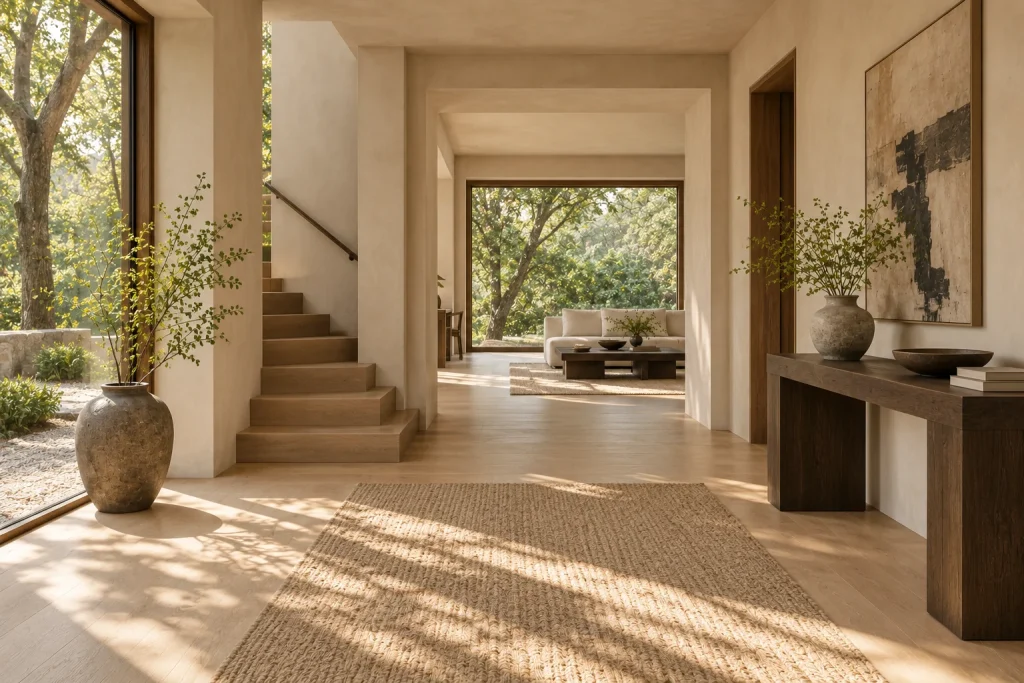
    Arrival and passage: a moment of transition
    Arrival and passage: a moment of transition

    Arrival and passage: a moment of transition

    Use pale walls, timber flooring and darker joinery to connect the entry to the living area. A console can hold one ceramic piece or a branch; a window view or a single artwork at the end of a passage draws the eye without filling every wall.

    Concealed storage keeps daily items orderly, while a useful place to change shoes and set down belongings remains close to the entrance. Light grazing the wall adds depth without elaborate decoration.

    Study and reception: a seat with a view
    Study and reception: a seat with a view

    Study and reception: a seat with a view

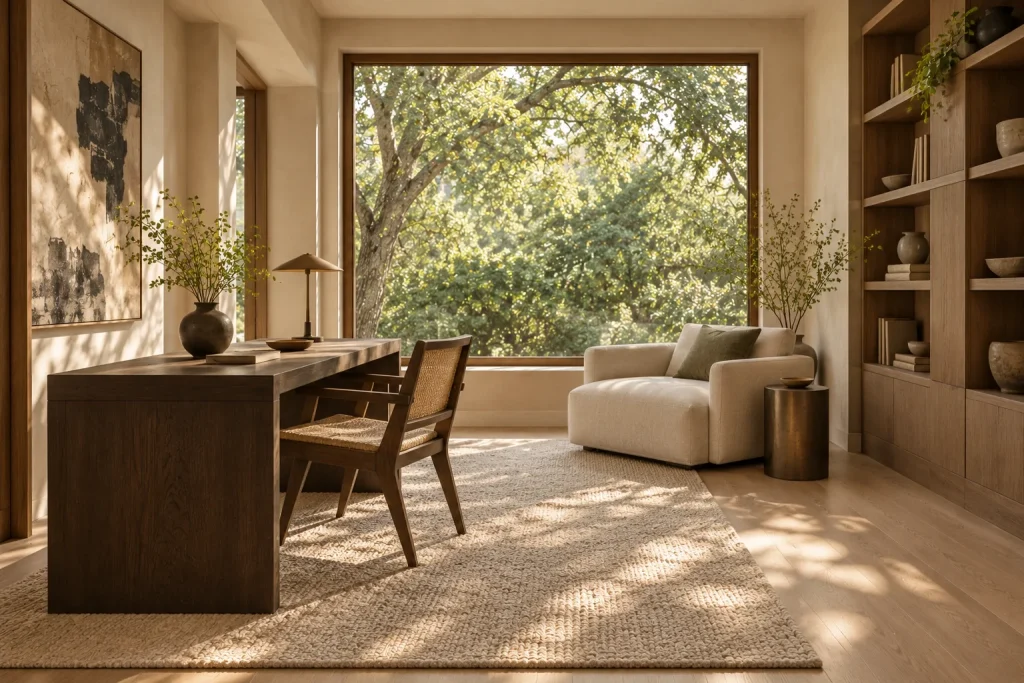
    A desk and shelves in related timber tones establish a calm study. Group books and objects with breathing room between them. Beside a window, a chair and small table offer space for reading, tea or an unhurried conversation.

    Place task lighting for the desk and the reading seat, and use curtains to manage glare. Simple furniture lets the texture of wood, paper, ceramics and foliage supply the detail.

    Stairs and light: a measured sequence
    Stairs and light: a measured sequence

    Stairs and light: a measured sequence

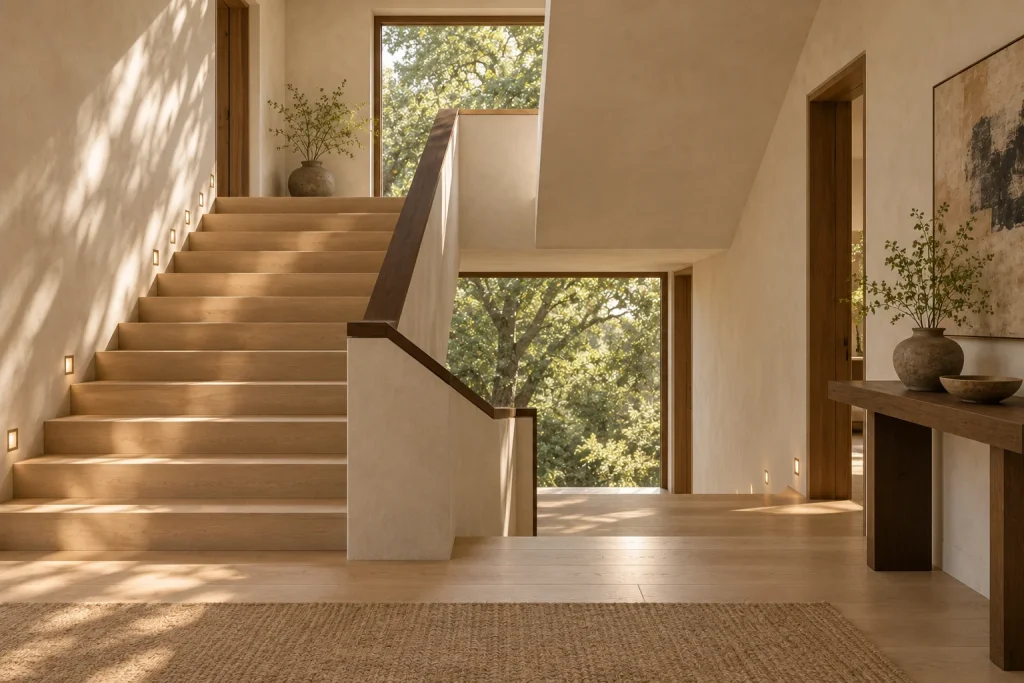
    If the home has stairs, a dark timber handrail and lighter treads can echo the living-room furniture. Make the turns clearly visible, choose a suitable slip-resistant finish and resolve the handrail and lighting for the actual site.

    Daylight can bring changing shadows to passages and walls. In the evening, combine general, task and low-level guiding light. Each room may have its own character, while related timber, light temperature and tactile finishes tie the scheme together.

    Let daily rituals shape the room

    A reading corner, a place for tea or a quiet seat can contribute more character than a large collection of decorative motifs. Bring a comfortable chair, a useful small surface and suitable light together.

    Compare timber, fabric and metal samples as a group. Reserve stronger colours for replaceable accessories, leaving the main furniture calm enough to welcome books, plants and personal objects over time.

    A measured balance of light and objects

    Daylight reveals the grain of timber and the weave of upholstery. At night, a reading light, a low table lamp and soft ambient illumination create separate layers; if the chair is used for reading, direct useful light onto the page.

    Objects do not have to be numerous or perfectly symmetrical. A tactile ceramic piece and one carefully placed artwork can establish a personal character, leaving space for books and plants to find their place over time.

    Design visualization · Inspiration: Art and Garden Residence by STUDIO LIANG on Vsszan.

    Let us shape your next space.

    DISCUSS YOUR PROJECT ↗